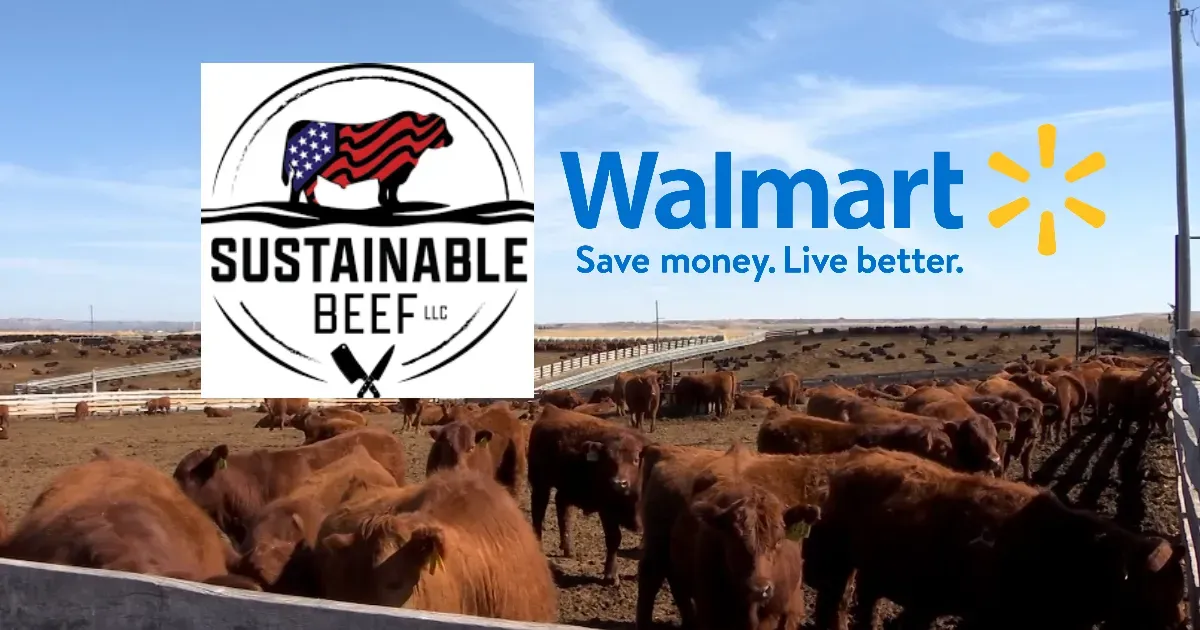
The Big Four Just Became Five: Walmart Quietly Captures the Beef Chain
Walmart has spent over $660 million building its own beef empire—from processor to packaging plant to retail shelf. That makes them more than just a grocer; it makes them the fifth major packer, joining Tyson, JBS, Cargill, and National Beef. The press calls it “resilience,” but ranchers know what it really is: vertical consolidation dressed in feel-good PR.
A $700 million vertical integration move—framed as “resilience” and “investment in U.S. beef”—just claimed what little was left of the open market.
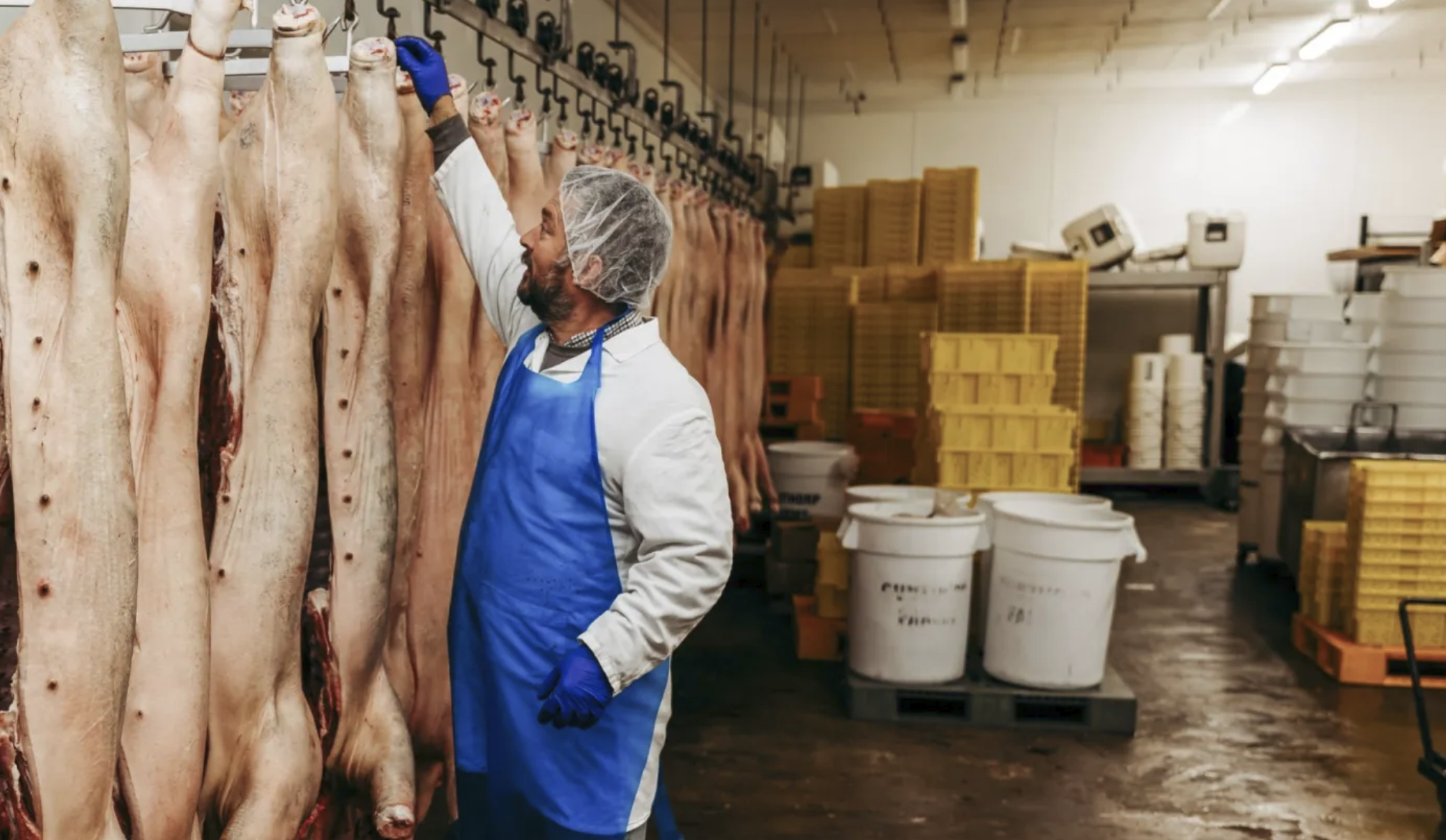
Walmart’s new case-ready beef facility in Olathe, Kansas isn’t just another fulfillment center—it’s a chess move.
A 300,000-square-foot plant. 600 new jobs. Cuts packed, labeled, and shipped straight to Walmart shelves. And all of it fed by one source: Sustainable Beef LLC, the North Platte processor Walmart bought into back in 2022.
What the press release calls “supply chain transparency” is really supply chain capture.
“We’re delivering more of what our customers want—affordable food and quality they can trust.”
— John Laney, EVP Food, Walmart U.S.
Trust, sure. Just don’t ask who sets the prices for the people raising the cattle.

Advertisement
One Chain. One Gatekeeper.
Walmart now owns a piece of the processor (Sustainable Beef), owns the packaging plant (Olathe), and controls the retail outlet (Walmart stores). That’s vertical integration—top to bottom.
Total investment? Nearly $700 million.
This isn’t a backup plan. It’s a power play.
- Walmart decides what cattle are worth
- Walmart decides how it’s cut and wrapped
- Walmart decides what consumers pay
The middle? Gone.
Small Processors Wiped Out
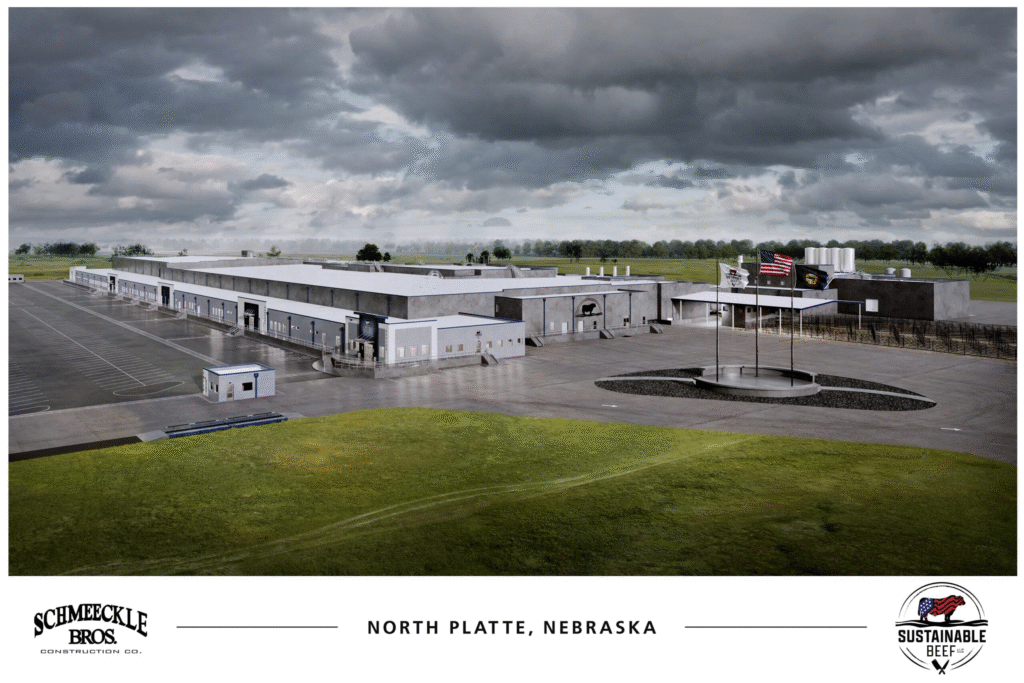
According to USDA’s Packers and Stockyards Report, the number of federally inspected beef slaughter plants declined from 297 in 2013 to 271 by 2022. And that’s just the headline.
Nationwide, over half of small and mid-sized beef processors (those handling 5–500 head per week) disappeared between 2000 and 2020, based on analysis from Rocky Mountain Farmers Union.
Then COVID hit. According to NIOSH and CDC data, more than 480 meat and poultry facilities across the country reported COVID outbreaks. Many of the small ones—already fragile—never reopened.
Nationwide, small and mid-sized beef processors have declined sharply over the past two decades, with many regions—including the High Plains—now facing limited slaughter access and months-long backlogs.
From Four to Five: The New Packing Order
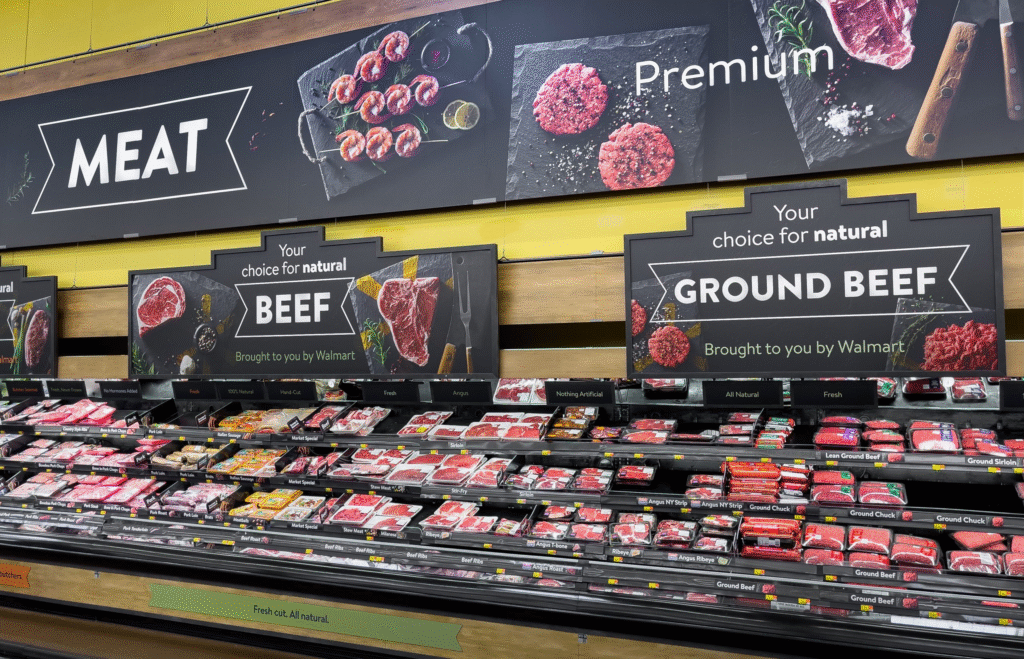
The Big Four meatpackers—Tyson, JBS, Cargill, and National Beef—have dominated the industry for decades.
Now Walmart is quietly becoming the fifth.
- It owns the processor (Sustainable Beef)
- It controls the packaging (Olathe)
- It owns the shelf (Walmart stores)
And unlike the others, Walmart doesn’t have to make money on meat. It can sell beef at cost to move more detergent, diapers, and digital subscriptions.
If you’re a rancher? You’re not negotiating with a buyer—you’re entering a corporate conveyor belt.
What This Means
No one said “monopoly.”
They said “Midwest resilience.”
They said “investment in U.S. beef.”
They said “more transparency for the customer.”
But here’s what they didn’t say:
Over the last decade, dozens of small-town processors disappeared.
Walmart didn’t fix that—they stepped into the hole.
And now they control the cattle source, the cut, the label, and the shelf.
This isn’t transparency. It’s takeover.
Want out of the corporate meat grid? Find your nearest independent rancher or processor at BeefMaps.com—where real food sovereignty starts.
More in Business
-
 chevron_right
Red, White, and Bullsh*t Pt. 2: How the USDA Built a Marketing Campaign for a Label Nobody Has to Use
Mar 25, 2026 · Beef News
-
 chevron_right
Regenerative Agriculture in the Trump World: Farmers First is a Lie
Mar 16, 2026 · Beef News
-
 chevron_right
"No Guardrails. None.": How a Single SBA Size Standard Launders Big Ag Subsidies as Small Business Aid
Mar 11, 2026 · Beef News
-
 chevron_right
Lubbock Feeders: Seventy Years. Then the Dependence Broke.
Feb 24, 2026 · Beef News