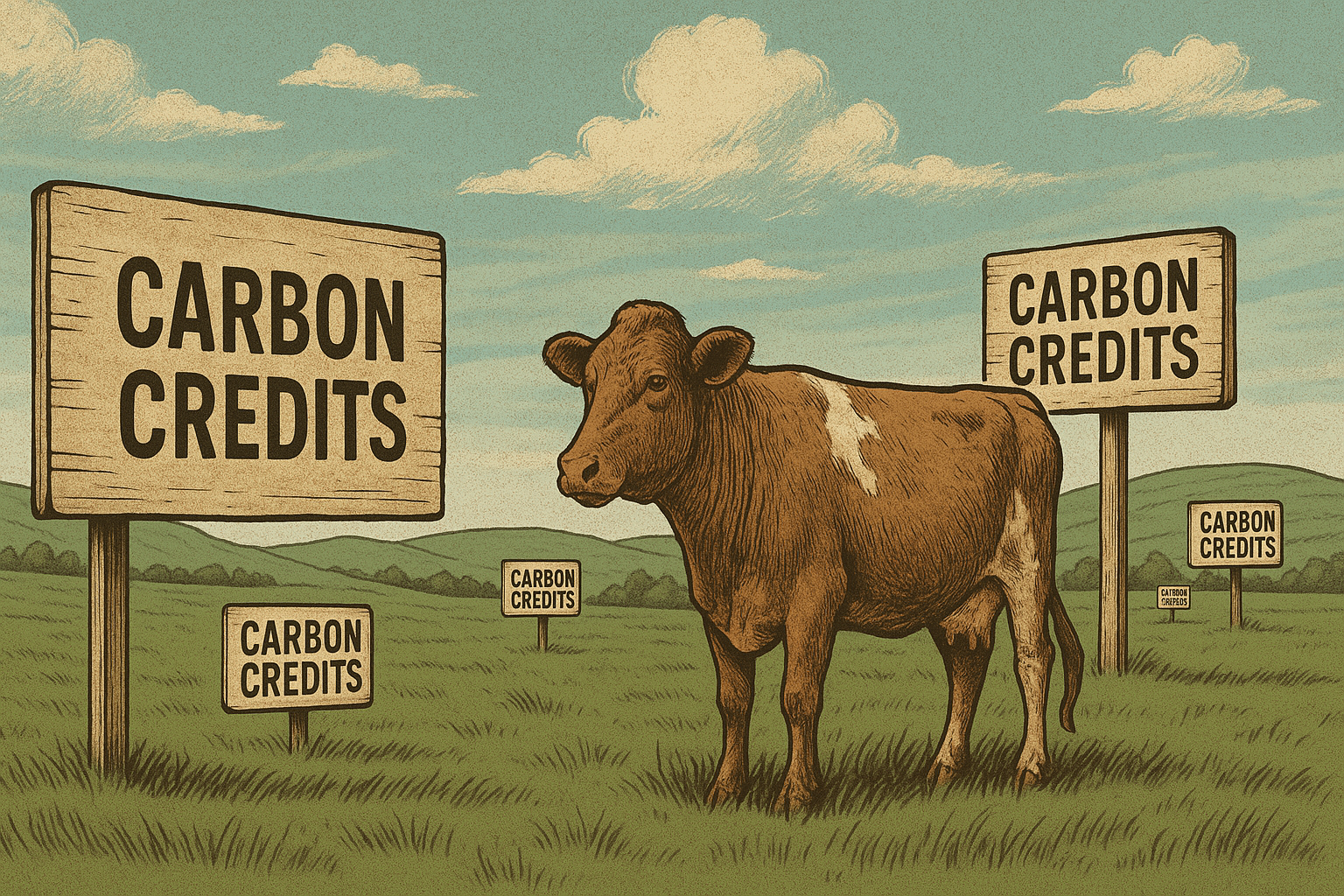
“We’re Swapping Steak for Subsidies”: Trent Loos Warns How Tax Credits and Imports Are Killing the American Beef Pipeline
The U.S. imported over 4.6 billion pounds of beef in 2024—while exports fell and domestic infrastructure crumbled. Trent Loos warns this isn't just a market shift; it's a calculated erosion of America's food independence. With Australia and Brazil flooding the supply chain, the real question is: who’s still raising your beef?
Trent Loos isn’t mincing words. “We are sitting here on the brink of destroying the infrastructure for the beef business,” he declared on his latest episode of Dakota Trails and Tails. His concern? That America is becoming dangerously dependent on imported beef—while dismantling the very systems that once made it self-sufficient.

In 2024 alone, the U.S. imported 4.6 billion pounds of beef, a 24% increase from the year prior. Imports from Australia jumped 67%, Brazil 61%, while exports dropped to just 3.03 billion pounds—a 1% decrease, with further declines projected in 2025. That’s not just a trade imbalance. It’s a red flag.
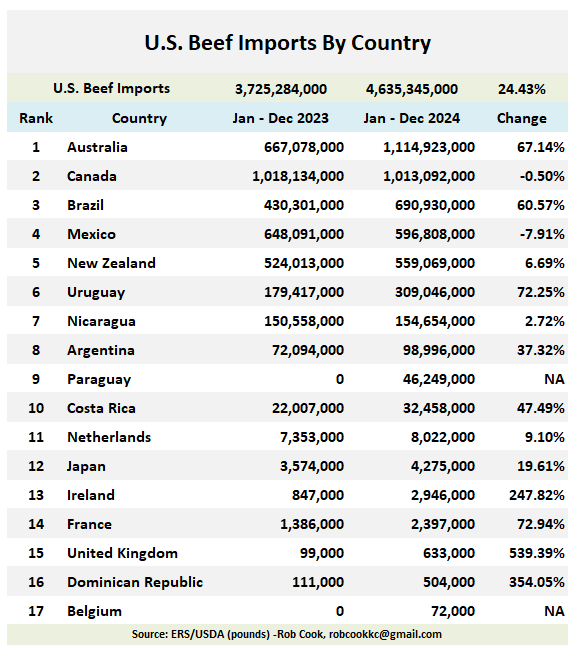
“We’ve destroyed the infrastructure to produce it at home—despite having the resources.”
Loos links this trend to a broader pattern: collapsing domestic industries across sectors—coal, steel, textiles, even antibiotics. “We’ve done the same thing in so many areas,” he said. “If you needed to produce antibiotics in the U.S., you couldn’t do it.”
Beef, he warns, is next. And the playbook is familiar. First came animal rights propaganda. Then climate change blame. Now, it’s carbon credits and methane capture payouts—a system, he argues, that distorts incentives and benefits tax-credit buyers, not the working rancher.

Advertisement
“They’re trying to shift the market to tax credits for your environmental compliance instead of letting us focus on producing high-quality beef.”
Loos highlighted that beef—like America’s high-quality cotton—is increasingly being blended with inferior imports, diluting value and deceiving consumers. Meanwhile, real solutions are ignored. Like grazing’s proven benefits to the environment, or direct-to-consumer beef models.
He closed with a story: a Missouri family that had never owned cattle fenced their land, raised five calves, and just processed their first 1,340-pound steer. The meat? Sold directly to a neighbor.
“Let the big commodity people do whatever they want to do and operate for a penny on the economies of scale. Let’s work with the consumers that want to know who and where their food is produced.”
Bottom line: As the federal government accelerates imports and shifts policy toward climate markets, Loos urges producers to take back control—before it’s too late.
Want beef that wasn’t shipped in from Brazil? Find real, local, rancher-direct meat near you at BeefMaps.com—because country of origin starts with you.
Beef News
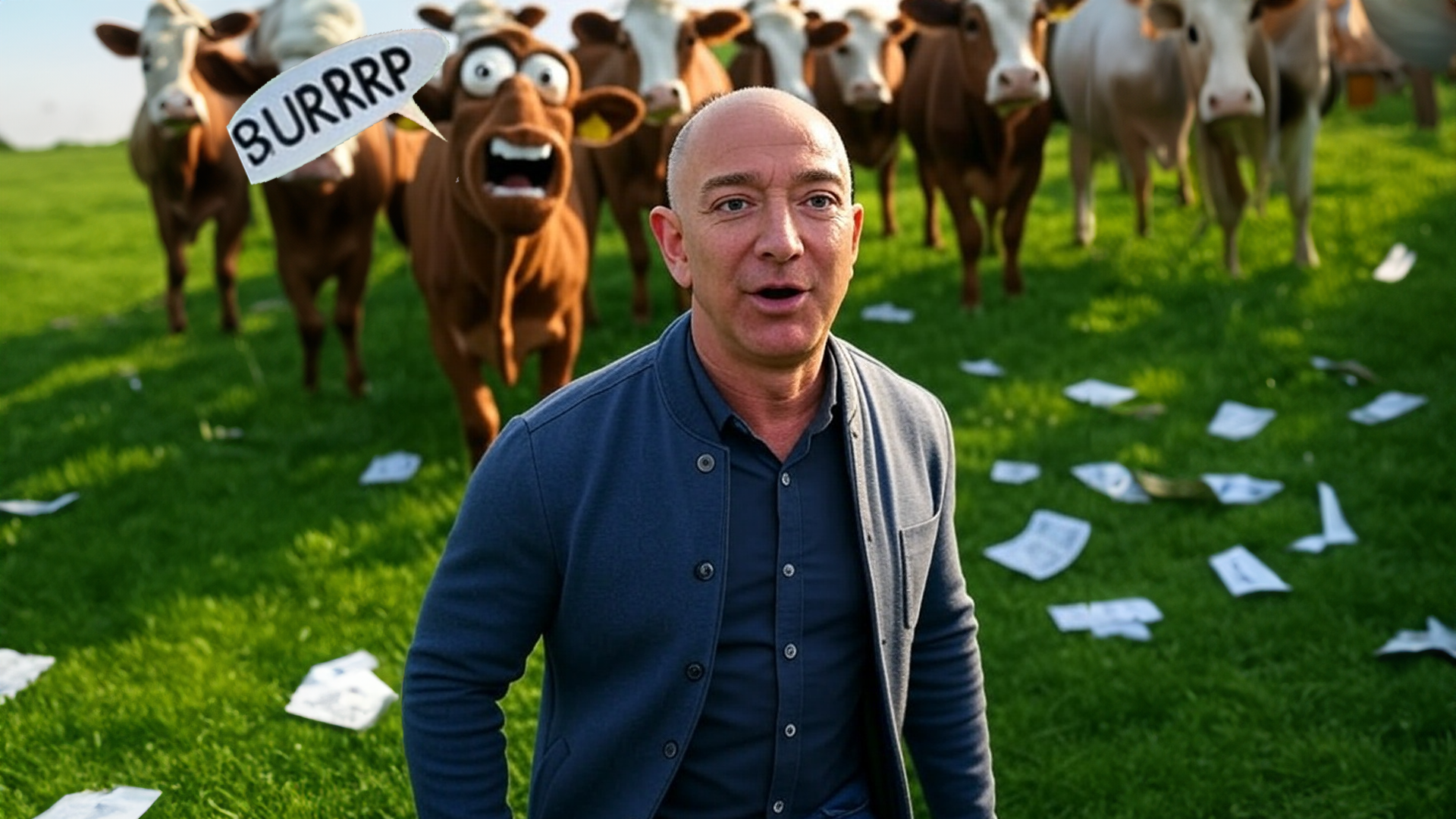
Ranchers Demand Return Of Bull$hit Bezos Money To Reduce Cow Burps — Beef News
A $4.85 million Bezos-funded methane genetics grant to the Angus Foundation has pushed ranchers to their limit—this isn’t efficiency, they say, it’s the start of climate regulation by stealth. Surprisingly, studies show wild bison emit as much methane as cattle, yet didn’t destabilize the climate. With genetic data growing and auctions looming, independent producers fear losing control of their herds.
More in Business
-
 chevron_right
Red, White, and Bullsh*t Pt. 2: How the USDA Built a Marketing Campaign for a Label Nobody Has to Use
Mar 25, 2026 · Beef News
-
 chevron_right
Regenerative Agriculture in the Trump World: Farmers First is a Lie
Mar 16, 2026 · Beef News
-
 chevron_right
"No Guardrails. None.": How a Single SBA Size Standard Launders Big Ag Subsidies as Small Business Aid
Mar 11, 2026 · Beef News
-
 chevron_right
Lubbock Feeders: Seventy Years. Then the Dependence Broke.
Feb 24, 2026 · Beef News