Livestock, buggies off the market
Written for the High Plans Journal
Republished with permission from Trent Loos . Original article published on trentloos.substack.com .
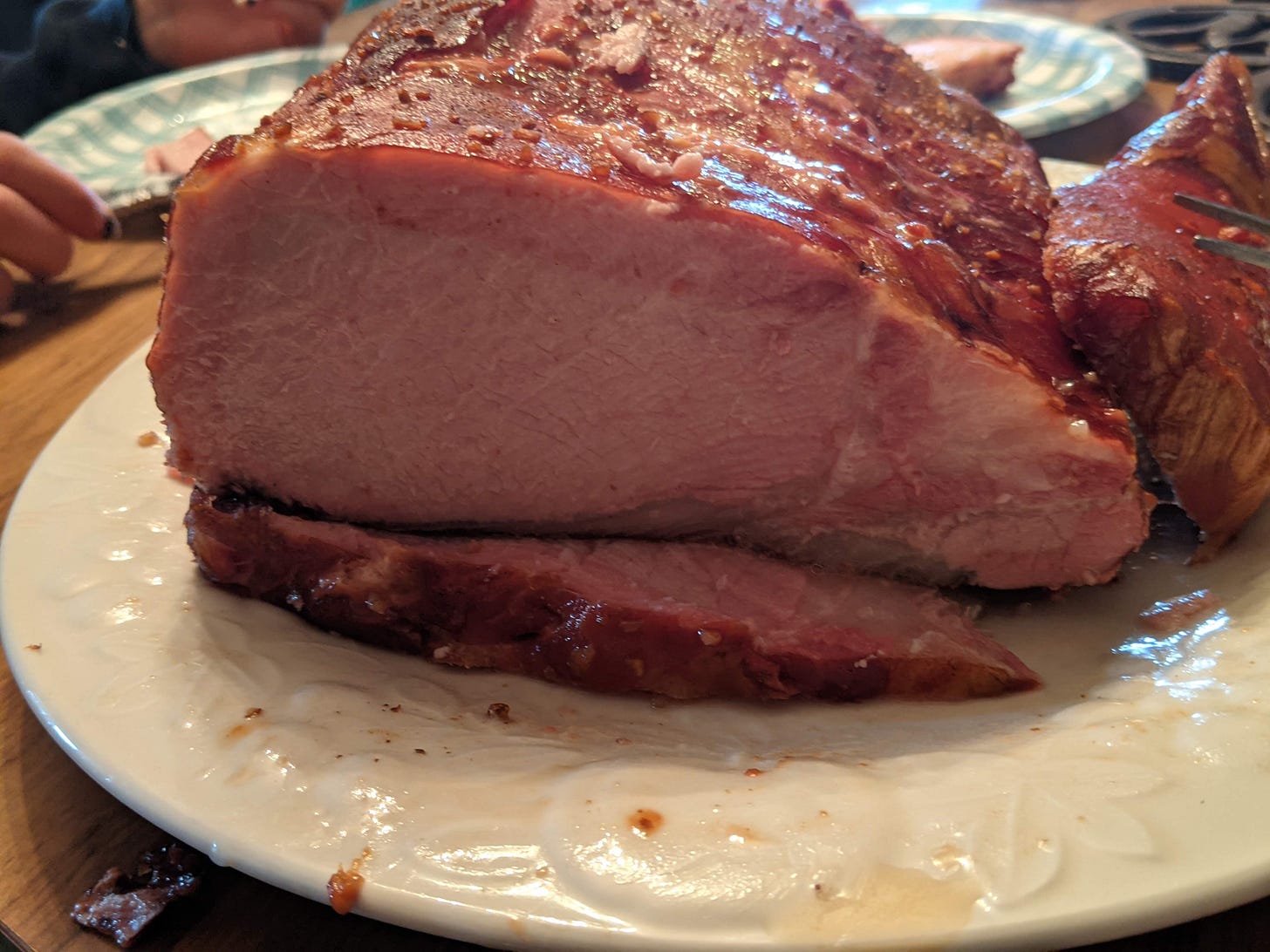
Image for a moment that you own the Hercules Buggy Company in Indiana. The year is 1921 and you’ve just set a record by producing 84,000 horse drawn buggies. Oil is starting to really take hold and the company, through some mergers and modifications, is still in business but they are making truck auto body beds and no longer making buggies. I wonder what founder William Harvey McCurdy was thinking when he had just experienced his best year ever but knows full well that fuel-powered engines would soon take over.
Here we are in 2026 with, quite honestly, the best prices anyone has experienced for cattle, pigs and most other protein sources in a good while. We finally get to enjoy getting paid properly for the animals we are working hard to produce. Meanwhile, it is becoming a regular news story that another meat processing facility is shutting down; the latest casualty in Idaho. I wonder if we are on the cusp of another buggy to auto conversion in the protein market.
Most of us know that cell cultured and alternative protein supplies are still lingering out there but we’ve heard that the start-ups have all failed and consumers don’t want the fake junk. While that may be true, it turns out that corporate investment in changing the food choices for global citizens is in overdrive. I knew that Cargill, Tyson and JBS Swift were deeply invested in this change but it goes way beyond them.
By 2040, a projected 60% of the meat we eat will be created from muscle cells grown within laboratory bioreactors. These products will be sold in grocery stores under names such as cultured meat, clean meat, lab-grown meat, and potentially, meat produced via cellular agriculture.
The rise of the cultured meat market is allegedly supported by the “sustainability” compared to livestock production. Investors are piling into the field of cultured meat, providing start-up companies within this sector nearly $1 billion in recent months. Over the next 10 to 20 years, cultured meat has the potential to act as a major disruptor to the conventional meat industry, according to their own predictions. Somehow, they forge ahead even though the ingredient lists for each product ought to be enough to scare sensible customers away.
While the business case for cultured meat is strong, some consumers do not yet like the idea of eating meat grown in a laboratory. Nonetheless, recent surveys indicate that nearly 50% of the consumers do not have any reservations about using cultured meat. Proponents believe this number will grow as cultured meat products “become mainstream, get featured in marketing campaigns, and demonstrate both environmental
and nutritional advantages.” Currently, the lab-grown “chicken” from Memphis Meats costs about $6,000 per pound. The company MosaMeat valued its artificial beef patty at $330,000 in 2013, but industry watchers expect the price to be around $10 when production reaches scale using current technology.
The global alternative protein ingredients market was estimated at $22.95 billion in 2024 and is anticipated to reach $50.22 billion by 2030, growing at a rate of 14.1% from 2025 to 2030. The rising demand for plant-based alternatives in food and beverages reflects a shifting trend toward plant-centric diets, with innovative product offerings contributing to the market’s expansion. Leaders in protein alternatives say this expansion is driven by “growing consumer awareness of health, sustainability, and ethical food production.”
Modern meat substitutes rely on ingredients such as soy, wheat, pea protein, and textured vegetable protein to mimic traditional meat characteristics. In 2015, Jeremy Coller founded the FAIRR (Farm Animal Investment Risk and Return) Initiative, which is the fastest growing ESG investor network. FAIRR represents $66 trillion of member Assets under Management and one of their focuses is ESG risks and opportunities in the global food sector. Through the Coller Foundation, Jeremy has launched the Coller Animal Law Forum (CALF) and a number of other initiatives focused on accelerating the transition away from intensive agriculture. Coller founded CPT Capital, which invests in solutions and alternatives to intensive agriculture and is also President of the Alternative Proteins Association.
Ultimately, the goal of these organizations, others like it and the millions of “green” companies that are pouring trillions of dollars into “fake meats” is the destruction of animal agriculture in our world. Beyond providing healthy, essential, vital protein food sources, livestock are vital to the environment by enhancing the soil microbiome, removing flammable ground cover and the overall symbiosis of the universe as God designed it. When will it ever be better to “grow” something in a petri dish than to watch animals grazing on a hillside? Not in any world I want to live in.
More in Cowboy Talk
-
 chevron_right
Plains on Fire: March 30, 2026 National Field Report
Mar 30, 2026 · Texas Slim
-
 chevron_right
Trent Loos Exposes the Truth Behind the Maude Family Arrest: Here's What Happened
May 1, 2025 · Beef News Wire
-
 chevron_right
Sovereign Health vs. One Health: Ranchers and Researchers Build a New Path Forward
Apr 3, 2025 · Beef News
-
 chevron_right
Ranching Reimagined: Sovereign Health Framework vs. One Health—The Battle for Food Sovereignty
Mar 6, 2025 · Beef News