
Screwworm PsyOp? R-CALF Demands Federal Probe Into False Bio-Terror Alert That Rocked Cattle Markets
A false report of New World screwworm in Missouri triggered a cattle market drop—and now R-CALF is demanding a federal investigation. The group says the hoax may have been used to manipulate futures markets and profit off panic. USDA and Missouri officials confirmed the claim was fake—but by then, the damage was done.
On May 27, cattle producers across the U.S. were blindsided by a viral report claiming New World screwworm—a flesh-eating parasitic fly last seen in U.S. herds over 40 years ago—had been detected in Missouri.
The claim was false. But the damage was real.
Live cattle futures immediately dropped, and millions of dollars in value were wiped out in a matter of hours. While government agencies scrambled to deny the report, the story had already spread, fueling panic and speculation across ag finance circles.
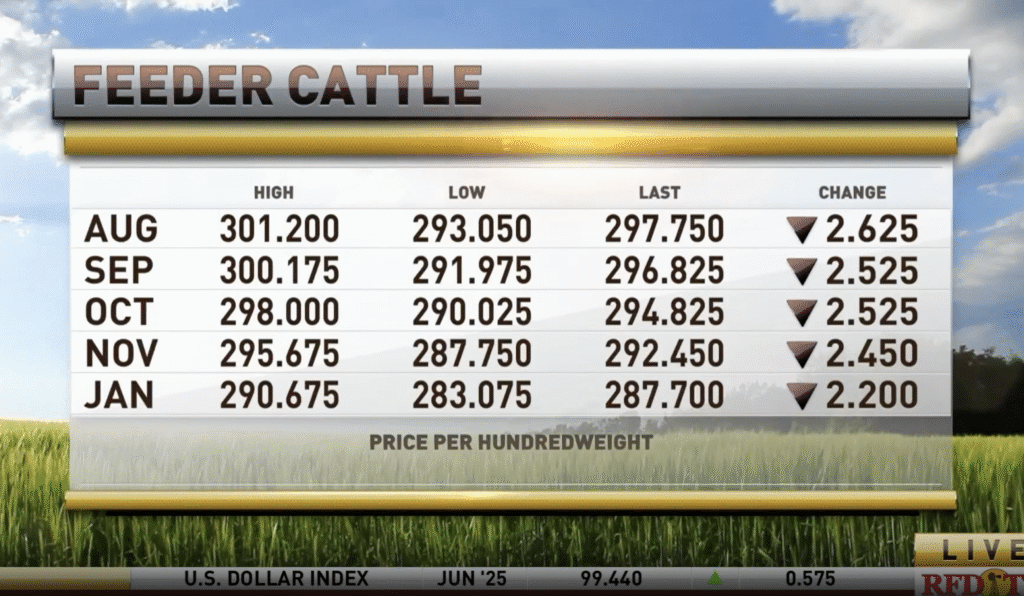
Screenshot from RFDTV
Now, R-CALF USA is demanding answers.
In a formal letter to the Commodity Futures Trading Commission (CFTC), the group is calling for an investigation into what it calls a malicious false report—a move they say may constitute illegal market manipulation under the Commodity Exchange Act.
“False and misleading information about animal diseases… can cause severe financial harm,” the letter warns. “This type of conduct must be investigated and prosecuted to the fullest extent of the law.”
Both the Missouri Department of Agriculture and the USDA quickly confirmed there were no screwworm cases in Missouri or anywhere in the U.S. The outbreak claim was entirely fabricated.
“It appears this report was released for the purpose of harming cattle producers by placing their livelihoods at risk in the markets,” said R-CALF CEO Bill Bullard in an interview with Brownfield Ag News.
The screwworm, known for its larvae feeding on live tissue, is a USDA-monitored threat due to its historic devastation of livestock herds. It was eradicated in the U.S. by 1966—but its reappearance would trigger border lockdowns, surveillance zones, and immediate price shocks.
Exactly the kind of volatility traders could weaponize—if they had a false report in hand.
With beef markets already under pressure from shrinking U.S. herds, rising imports, and inflationary consumer pricing, R-CALF’s call to the CFTC is a warning shot: if commodity markets can be spooked with a headline, who’s pulling the strings?
This wasn’t just a bad tweet. It was a synthetic panic—and someone profited.
Now more than ever American ranchers need your support.
More in Business
-
 chevron_right
Red, White, and Bullsh*t Pt. 2: How the USDA Built a Marketing Campaign for a Label Nobody Has to Use
Mar 25, 2026 · Beef News
-
 chevron_right
Regenerative Agriculture in the Trump World: Farmers First is a Lie
Mar 16, 2026 · Beef News
-
 chevron_right
"No Guardrails. None.": How a Single SBA Size Standard Launders Big Ag Subsidies as Small Business Aid
Mar 11, 2026 · Beef News
-
 chevron_right
Lubbock Feeders: Seventy Years. Then the Dependence Broke.
Feb 24, 2026 · Beef News