The Green Shoot America Can't Afford to Miss
The U.S. beef cow herd just flashed its first expansion signal since 2017. Here's why it won't matter — unless Washington acts in the next 18 months.
The last time America had this few beef cows, Eisenhower was president. The USDA NASS January 2026 Cattle Report confirmed it in plain numbers: 27.6 million beef cows that have calved — smallest since 1961. Total cattle and calves at 86.2 million, a 75-year low. The 2025 calf crop at 32.9 million head, the smallest since 1941.
These aren’t projections. This is the current inventory of the American beef herd.
THE ONE NUMBER THAT MATTERS
Buried inside that same report is a single data point that changes the calculus: beef replacement heifers ticked up 0.9–1% year-over-year — now 4.71 million head, 17.1% of the cow herd versus the 10-year average. First increase since 2017.
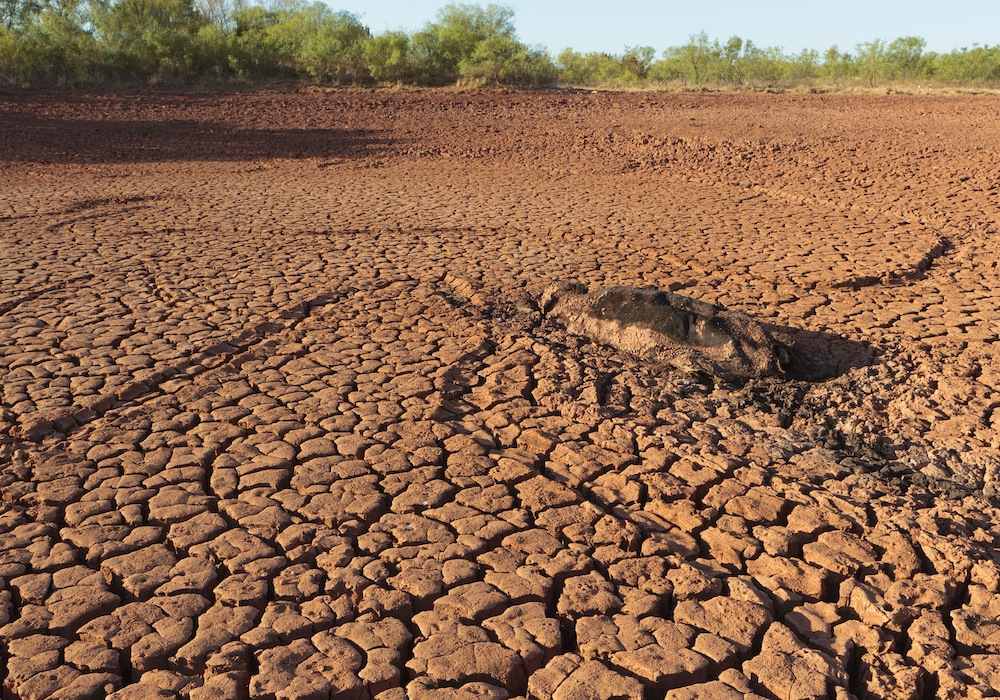
Texas drove nearly the entire national bump. One drought-battered, fire-scorched state carrying the weight of a national signal.
Here’s the biology Washington keeps ignoring: a retained heifer calves in approximately two years. Her offspring hits slaughter weight 18 months after that. Minimum supply impact: three and a half years from today. No policy, trade deal, or congressional bill compresses that timeline. Beef cattle are not semiconductors. You cannot onshore them faster.
DROUGHT DOESN’T CARE ABOUT RECORD PRICES
The USDA Drought Monitor shows approximately 49% of the U.S. cattle herd in D1–D4 conditions as of late February 2026. The Southern Plains — Texas, Oklahoma — are in year six of sustained drought, compounded by wildfires and failing forage.
Feeder cattle are running near $360/cwt. By any historical measure, that’s the signal to retain. Ranchers know it. But when your pasture is dust and your operating loan is maxing out, you sell the heifer. Not because you want to. Because the math forces your hand.
This is the structural trap the +1% signal is fighting against. It’s fragile. It reverses in one bad season.
THE FIX THAT DOESN’T REQUIRE A MIRACLE
The mechanism is straightforward: a federal Heifer Retention Tax Credit — a per-heifer direct credit for cow-calf operators who retain instead of sell, modeled on the Child Tax Credit structure. Targeted, low-distortion, Farm Bill-ready. No new bureaucracy. No direct payments. Just a credit that offsets the opportunity cost of holding a heifer through a drought year instead of cashing her out.
The post-2014 low offers the proof of concept. When prices aligned with forage recovery after the 2011–2015 drought cycle, the U.S. herd grew approximately six million head by the 2019 peak — without massive subsidies, without foreign imports, without antitrust theater. Market incentives plus operational capacity. That’s the whole recipe.
Pair the credit with three supporting moves: open more BLM and Forest Service grazing permits currently bottlenecked by administrative delay; strengthen the Livestock Risk Protection insurance program so drought-year retention doesn’t mean betting the operation; and streamline permitting for small and regional processors to absorb the eventual supply increase.
WHILE RANCHERS REBUILD, WATCH WHO CASHES OUT
Here’s what the supply-shortage conversation consistently omits: the Big 4 meatpackers — Tyson, Cargill, JBS USA, National Beef — control roughly 85% of fed cattle processing. They’re absorbing losses near $350 per head at the plant level right now. That’s the squeeze today.
But when the herd eventually rebuilds and cattle prices normalize, those same packers will be positioned to compress the buy price back down while retail beef holds elevated. Ranchers carry all the biological risk of a multi-year retention cycle. The spread compression, if history repeats, flows to consolidated processing.
The Heifer Retention Tax Credit and expanded regional processing aren’t just supply-side fixes. They’re the only leverage ranchers have to ensure the rebuild benefits the people doing the rebuilding.
THE ALTERNATIVES ARE THEATER
On February 6, a presidential proclamation temporarily expanded the U.S. tariff-rate quota for Argentine beef imports. USDA estimates it’ll account for roughly 4% of total imports by year-end. Meanwhile, China’s new beef import quotas are squeezing Brazilian and Australian exports out of Beijing and redirecting that supply toward U.S. ports. More imported lean trim is coming whether Washington planned it or not.
None of it builds a single American cow.
Imported boxed beef fills a processing spreadsheet. It does not rebuild a breeding herd. It does not restore a cow-calf operation. It does not put a heifer back on a Texas pasture. At best it’s a pressure valve on retail prices — and a temporary one, given that global beef supply is tightening across the board.
Meatpacker breakup bills suffer the same logic problem. Zero new cows created. Idling processing capacity during the tightest cattle supply in 75 years is not a supply solution. It’s a political signal dressed as economics.
The herd gets rebuilt from within — or it doesn’t get rebuilt.
THE CLOCK
The green shoot is real. The +1% heifer signal is the exact leading indicator that preceded every prior expansion cycle in the modern era. But it’s sitting on cracked Texas ground, under drought year six, with interest rates that punish patience.
The Farm Bill window is now. The next 18 months determine whether that signal gets amplified into a genuine expansion cycle — or gets liquidated back into a footnote. Heifer Retention Tax Credit. Expanded grazing access. Regional processing investment. That’s the whole policy stack.
Biology doesn’t bend to politics. But smart policy can stop getting in its way. Everything else is theater.
More in Farm Policy
-
 chevron_right
One farmer, one file, one surveillance contract: Palantir and USDA join forces.
Apr 26, 2026 · Beef News
-
 chevron_right
Michigan loses 100,000 acres of farmland — in 2024 alone!
Mar 23, 2026 · Breeauna Sagdal
-
 chevron_right
Break Up the Bottleneck: Washington Finally Notices the Meat Cartel — Right as America Runs Out of Cattle
Mar 7, 2026 · Beef News
-
 chevron_right
The Infinite Note: How the Fed Turned Texas Cattle into Collateral Forever
Dec 2, 2025 · Texas Slim