Inside the Narco-Beef Route: How Cartel Cattle Slither Across the Mexico–Guatemala Border
Cartel cattle cross rivers and jungles into Mexico, then reemerge as USDA-approved beef. JBS imports from the same plants fed by these routes. We mapped the laundering trail—because the tags don’t tell the truth, but the routes do.
A Beef Maps x Beef News Special Report
Along the winding bends of the Usumacinta River and through the shadowy jungle trails of Chiapas and Tabasco, a silent but massive cattle laundering operation thrives—tailored for profit and protected by impunity.
Every day, hundreds of cattle herd from Guatemala into Mexico, their origins erased by the time they hit federally-inspected TIF plants. This isn’t just food system fraud—it’s a criminal ecosystem expanding unchecked across decades.
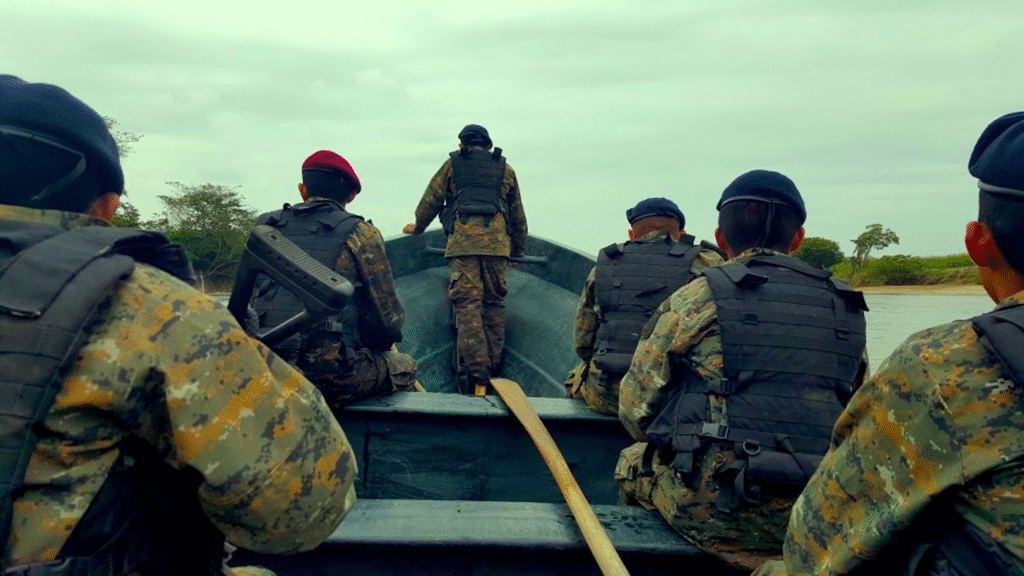
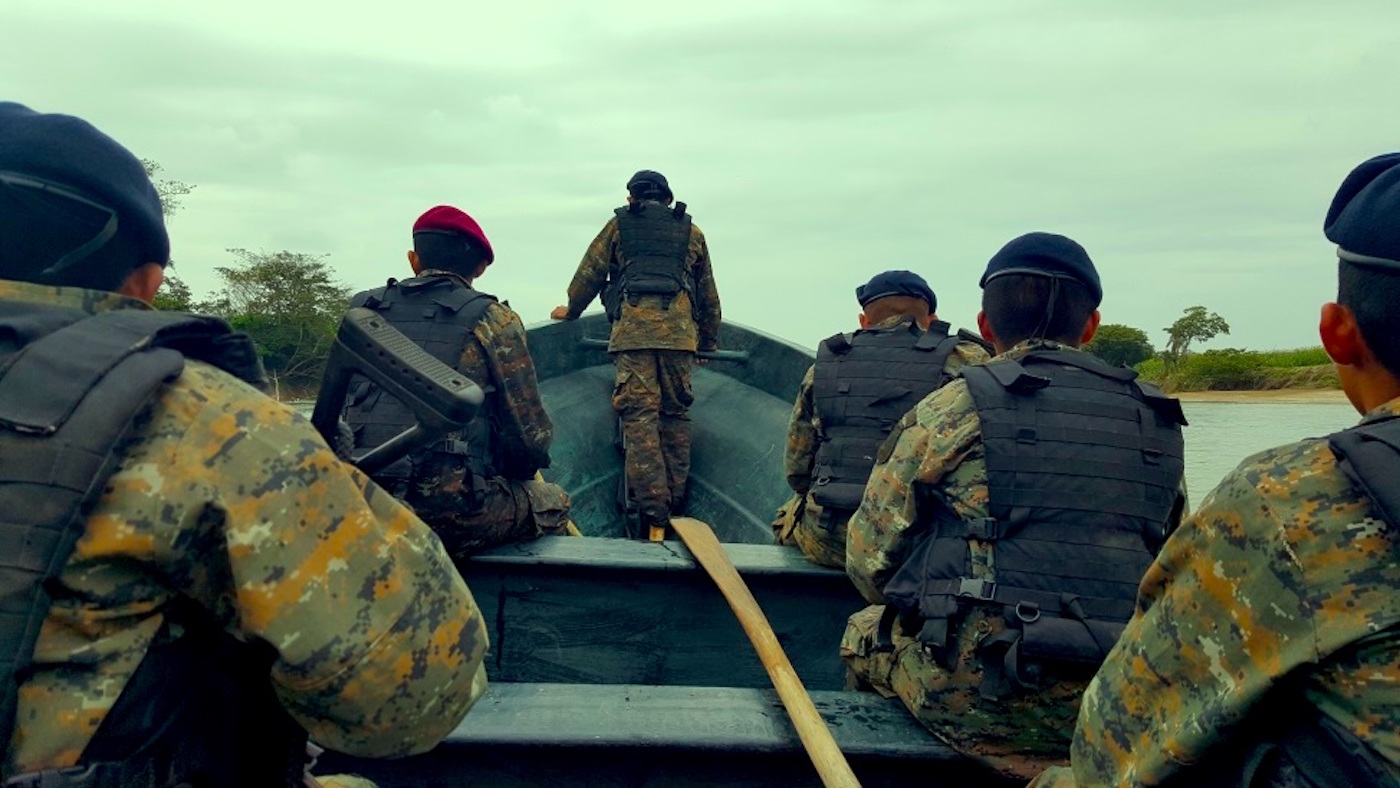
Guatemalan forces on the Usumacinta River between Guatemala and Mexico
Source: Monga Bay

Advertisement
River Ports & Smuggling Highways
Benemérito de las Américas, Chiapas
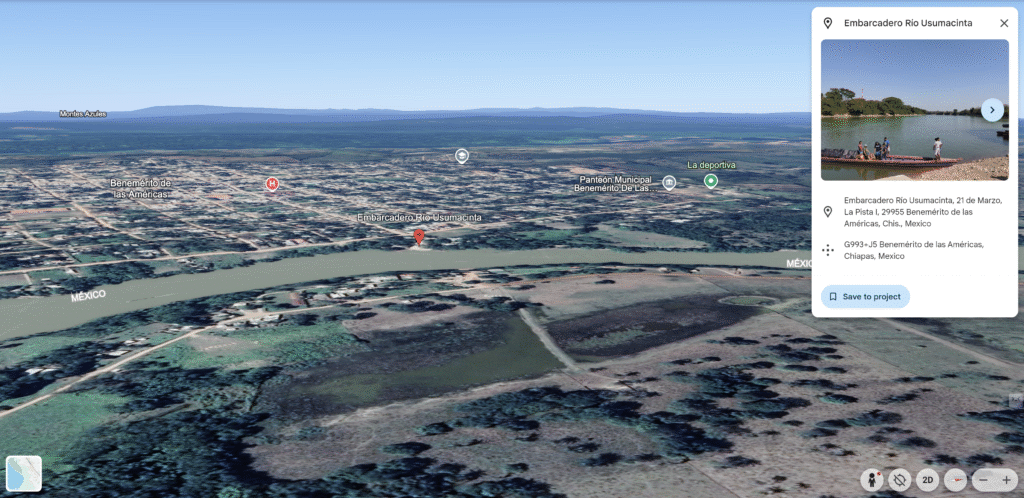
Looking into Mexico from Guatemala at the main smuggling port on the Usamacinta River
Source: Google Earth
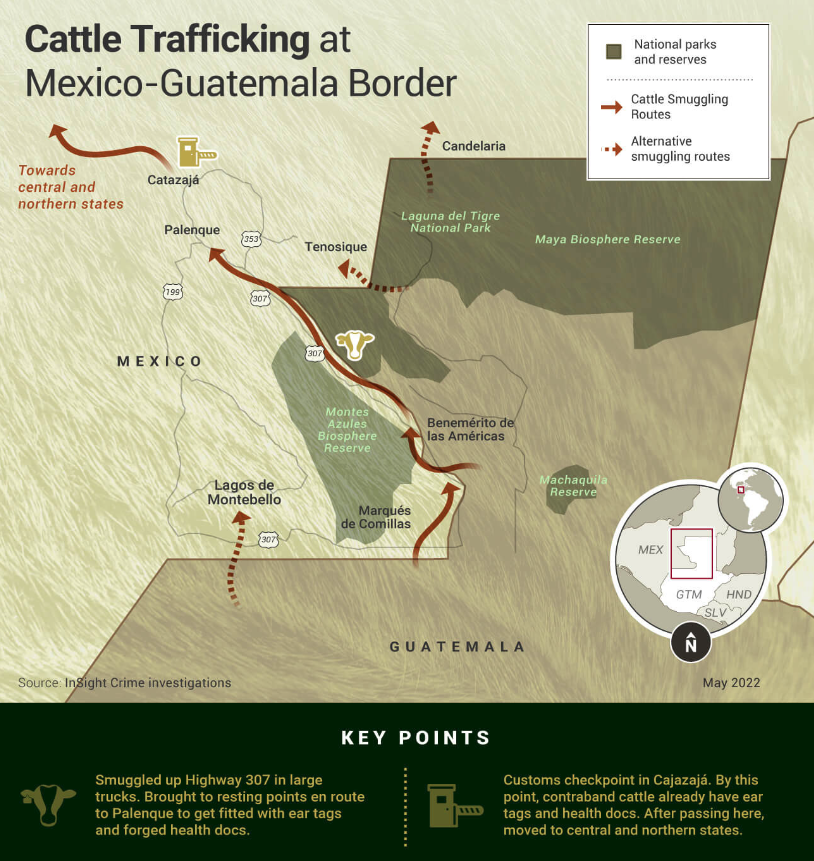
Situated on the Usumacinta’s eastern bank between Guatemala and Mexico, this remote town functions as a de facto “port.” Guatemalan cattle are floated across in canoes. Armed groups guard the transfers, and then big trucks roll north without formal inspections.
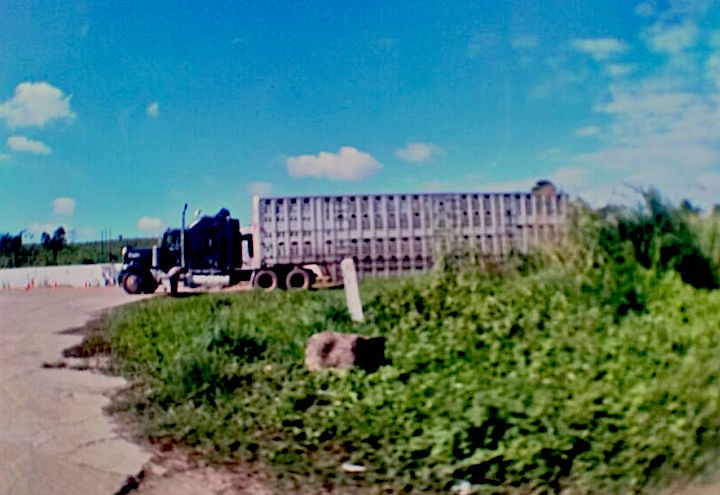
A cattle transport trailer awaits its merchandise at a station in Benemerito de Las America.
Source: Monga Bay
Marqués de Comillas & Lagos de Montebello, Chiapas
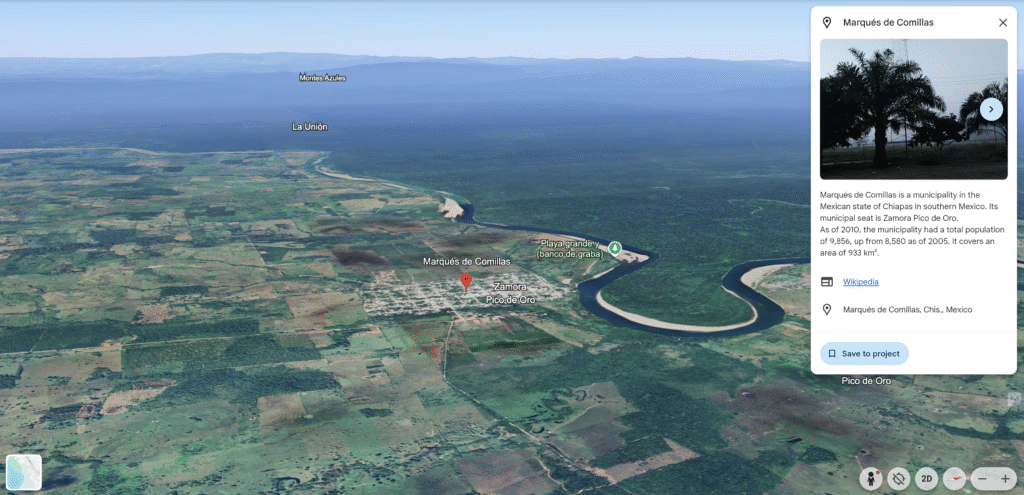
Source: Google Earth
Secondary crossing points with less state oversight. Informal tracks snake through thick jungle, connecting directly to Benemérito’s network.
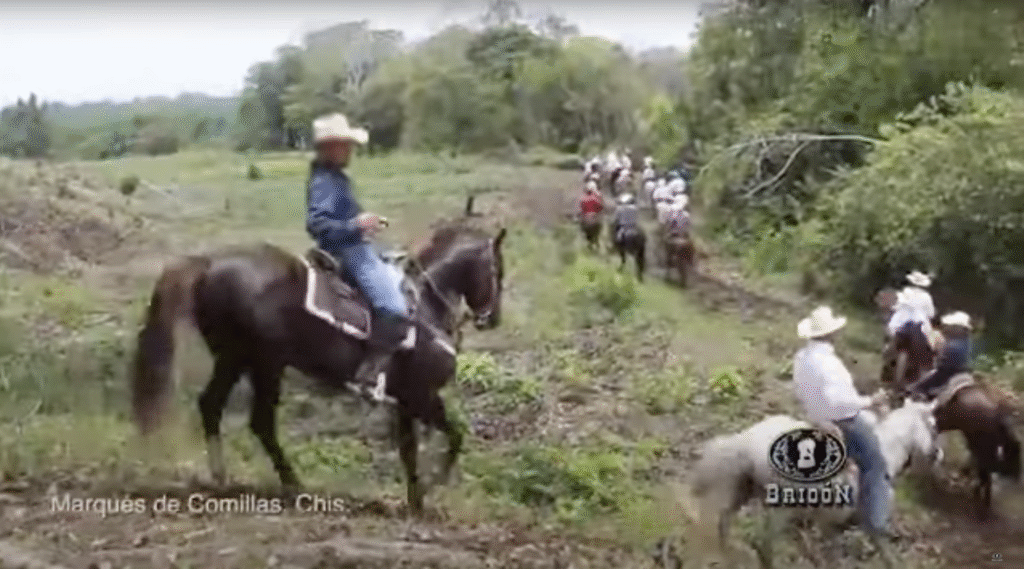
Video of a ranch on Marques de Comillas
Source: YouTube
Beef News
Labeled Legal, Raised by Narcos — What the USDA Won’t Tell You About Imported Cattle — Beef News
Cartel-linked cattle are entering the U.S. beef supply with clean USDA paperwork—and no one is watching the real owners. From smuggling routes in Chiapas to government-tagged animals in Jalisco, Mexico’s narco-ranching syndicates have mastered the art of meat laundering. Until we tie MCOOL to rancher of origin, Americans are eating beef with forged identities—and funding cartels by the kilo.
Tenosique, Tabasco
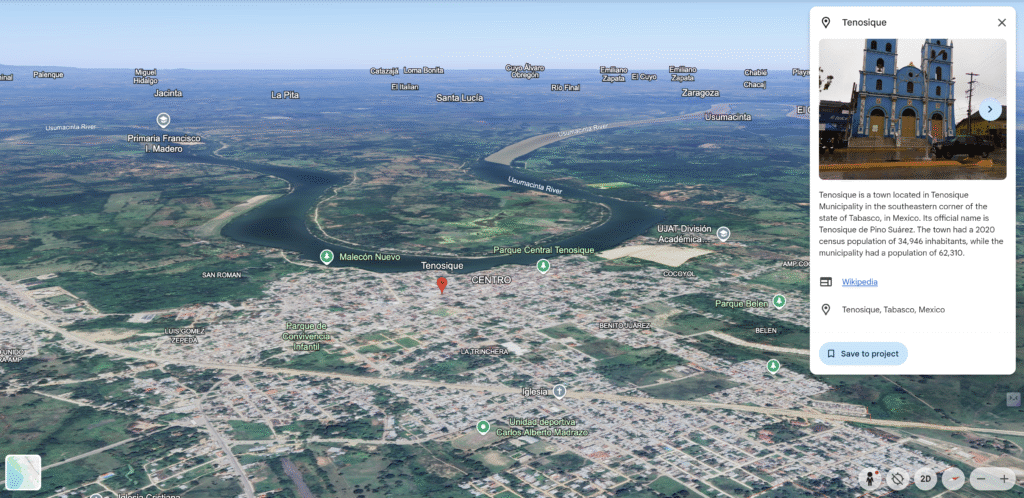
Source: Google Earth
A chaotic gateway town where cattle cross via “blind” trails bypassing the El Ceibo checkpoint. Once inside, aged farm roads lead traffickers to private ranch entrances—no tag checks required.
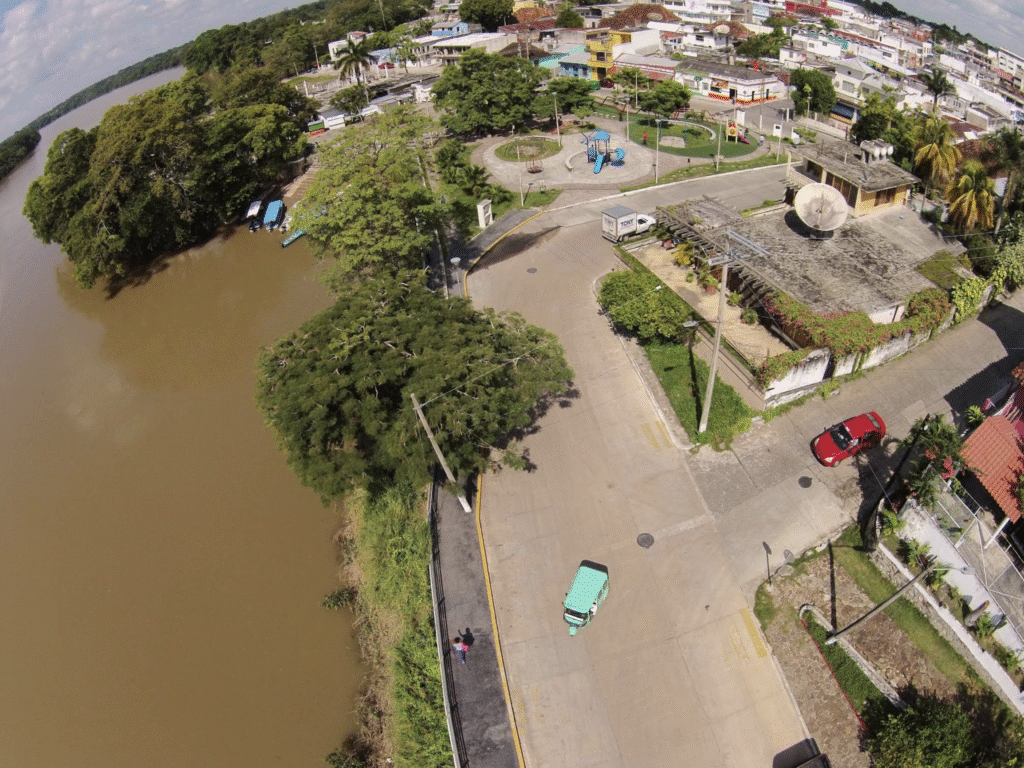
Tenosique, Tabasco is the “Blind Gateway Town”
Candelaria, Campeche
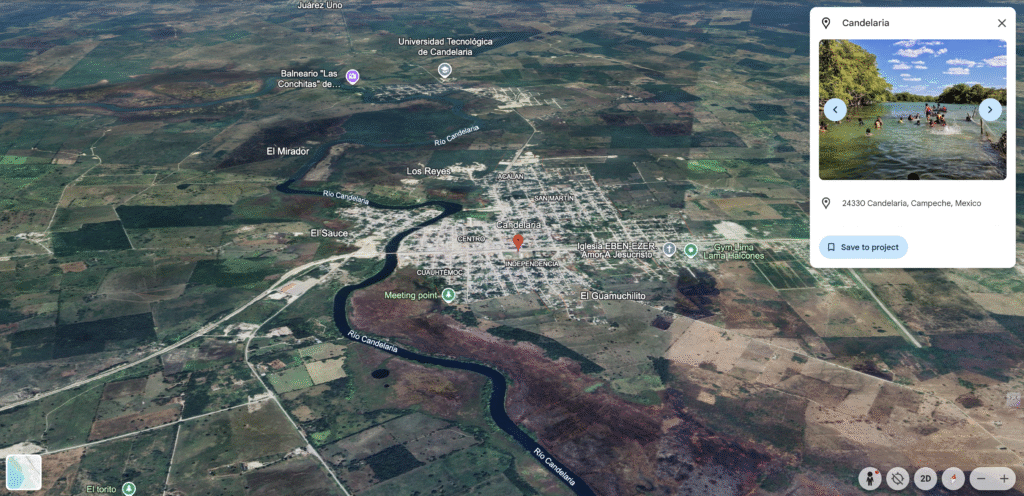
Source: Google Earth
Used as a fallback route, especially after intermittent crackdowns. Proximity to the Maya Biosphere Reserve makes it ideal for discreet crossings.
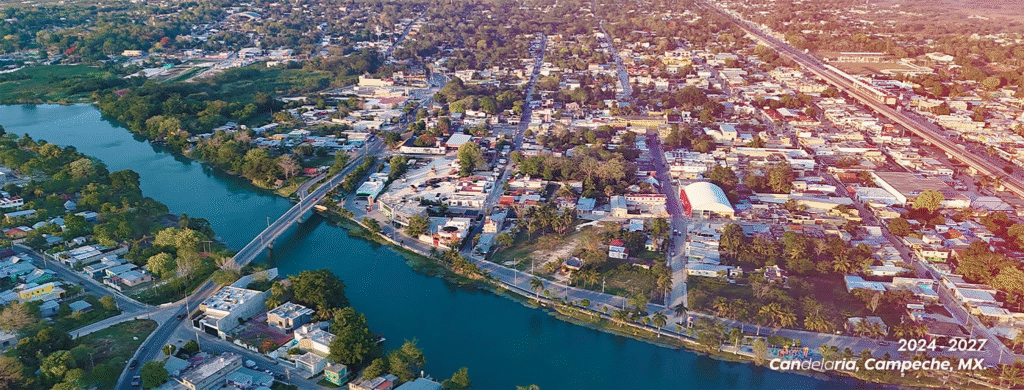
Source: Candelaria Facebook Page
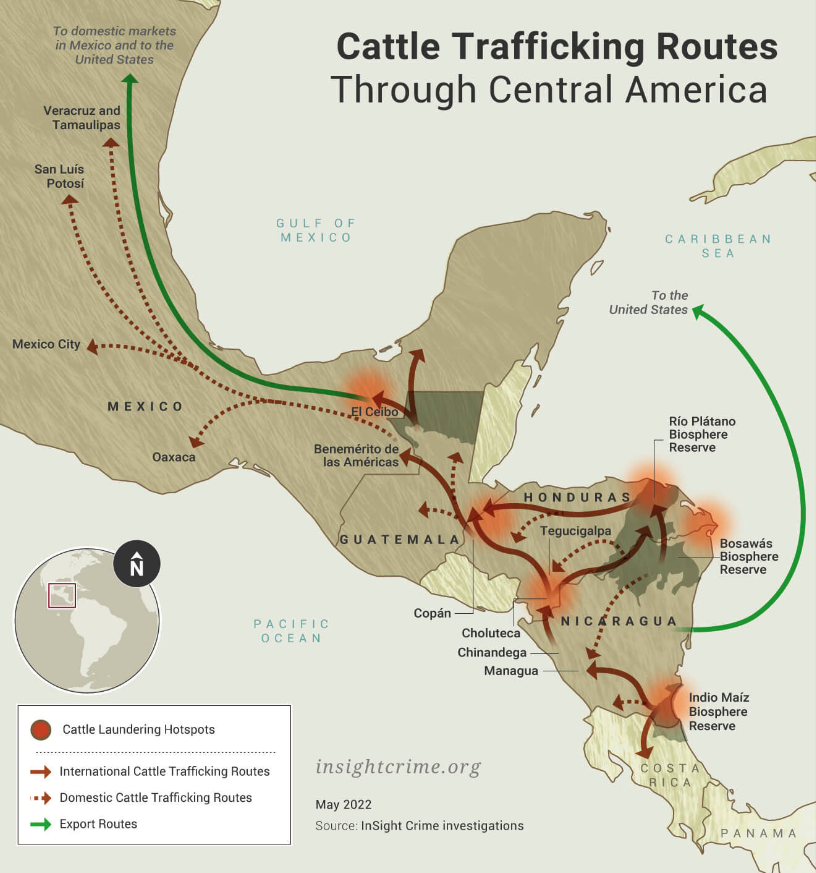
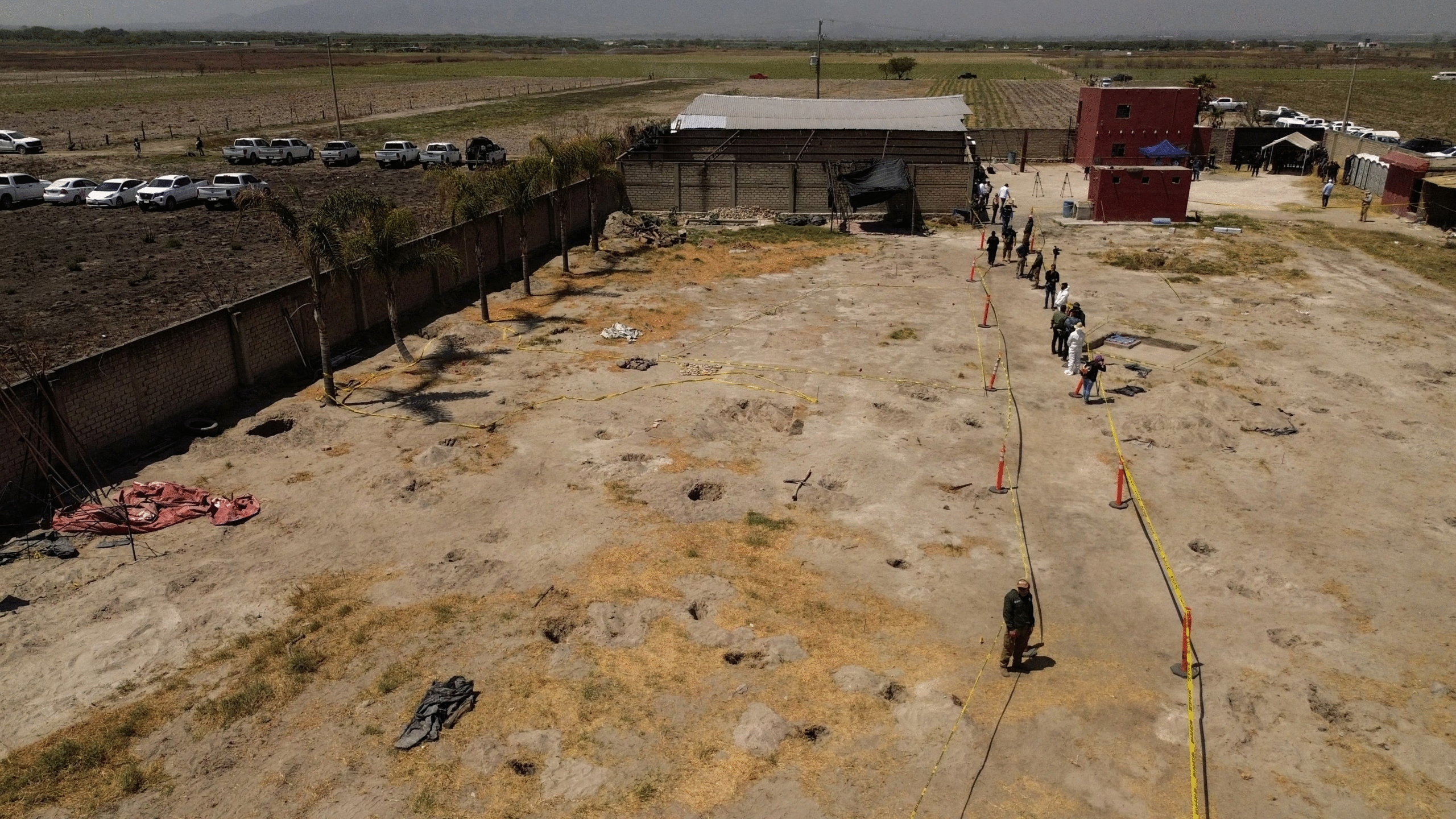
Across this network, an estimated 800,000 head move illicitly each year—yielding nearly $320 million USD in cartel profits .
The Laundering Process
Source: InSight Crime
Collection yards along Highway 307 (Benemérito–Palenque) act as first distribution hubs.
Black-market SINIIGA ear tags are swapped or sold. One tag costs ~$2.50 USD officially—but traffickers pay 10× at collection points .
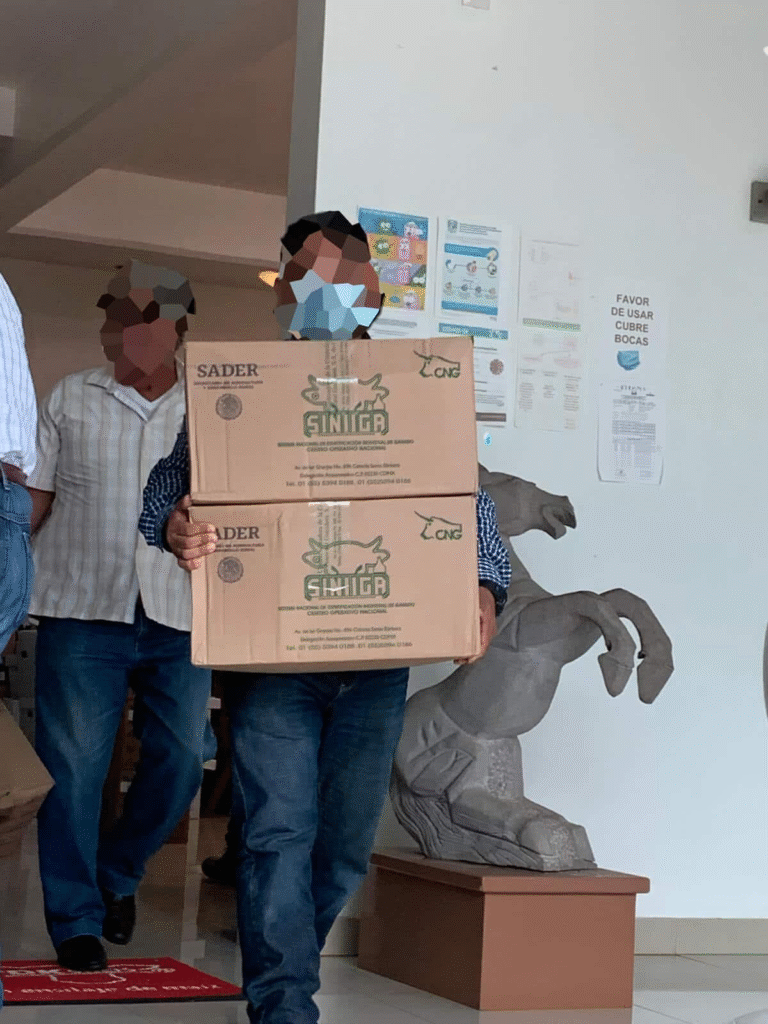
Identification ear tags are obtained via local cattle ranchers’ associations
Source: InSight Crime
Corrupt veterinarians issue health documents, often without inspection—critical for TIF eligibility. Some had licenses revoked in 2025 after certifying screwworm-infested animals .
By the time cattle hit Catazajá or Veracruz checkpoints, their paperwork looks spotless—and officials accept them as legal.
Impunity & Cartel Control
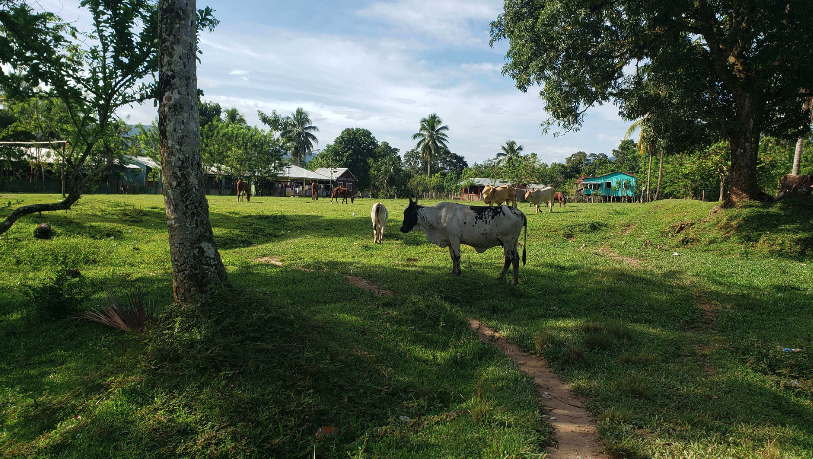
Cattle grazing in the Río Plátano Biosphere Reserve
Source: InSight Crime
Military and National Guard in the region admit that livestock smuggling isn’t their mandate—and cattle move unchallenged .
The Tax Administration Service (SAT) reports no cattle seizures at border checkpoints between 2023–2025.
Key criminal figures, like the elusive “La Aduana” near Benemérito and cartel boss “El Vani,” control ranch access and cattle routes—blending livestock routes with cocaine and illicit cash.
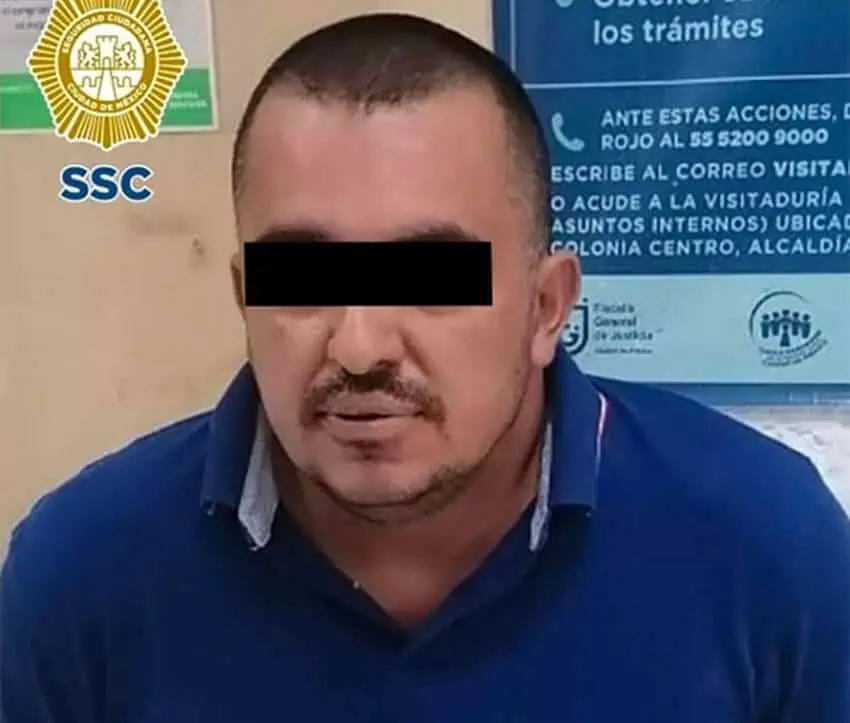
El Vani was allegedly a lynchpin of a cattle trafficking operation, but was arrested last year on drug-related charges in Mexico City
Source: Mexico News Daily
Cattle smuggling supports multi-layered crime: it’s a cash cow—and a convenient logistics front for narco-trafficking .
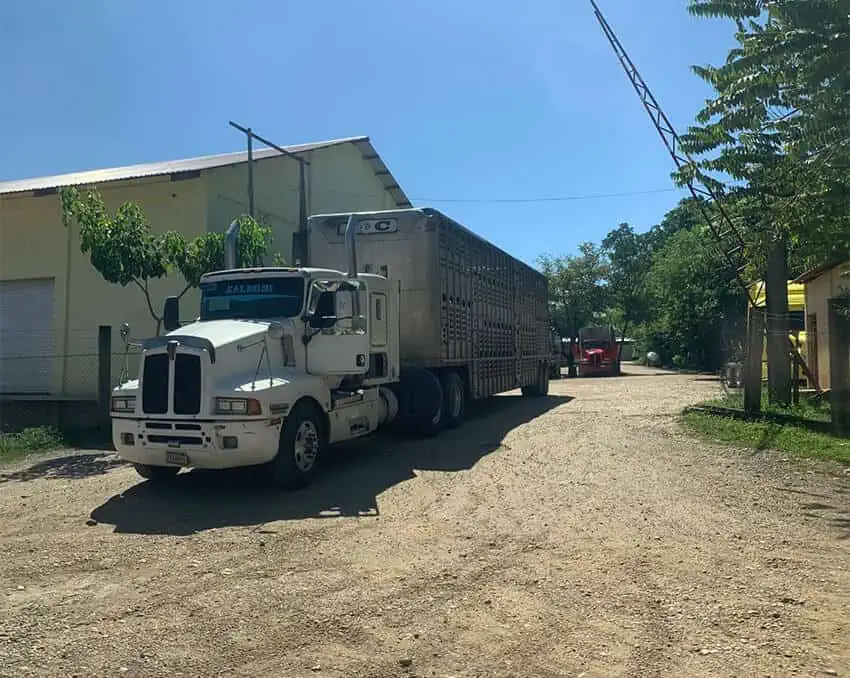
Truck parked outside the local ranchers’ union in Benemérito de las Américas
Source: Insight Crime
Public Health & Trade Fallout
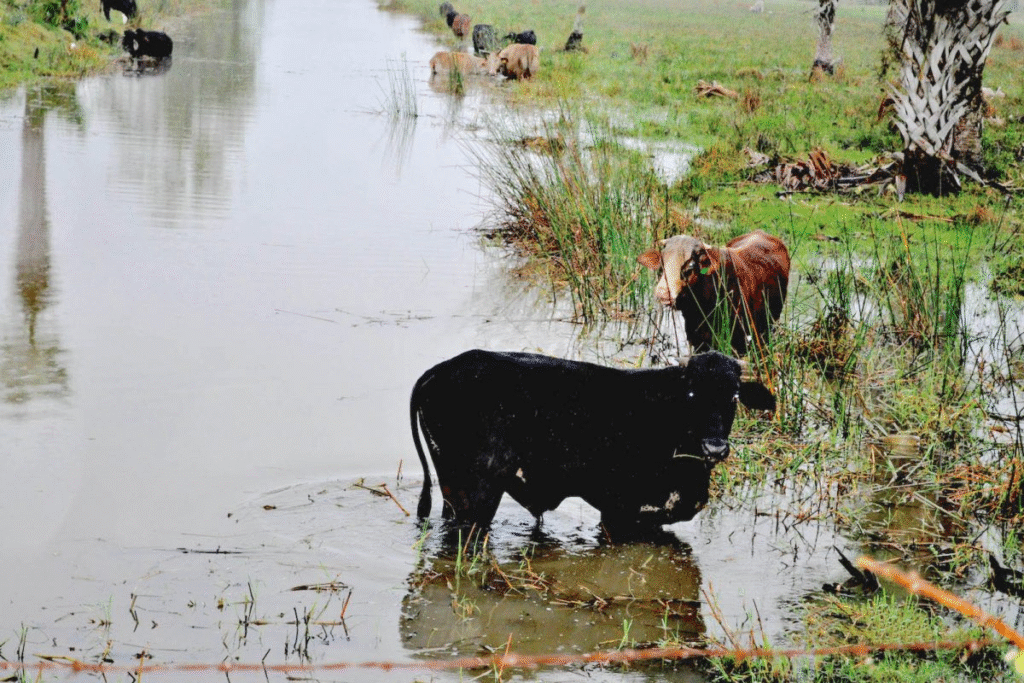
The cows are taken to highly ecologically vulnerable floodplain forests, part of the so-called “campesinization” of cattle ranching
Source: Monga Bay
In late 2024, a calf from Benemérito tested positive for screwworm, triggering a U.S. ban on Mexican cattle imports—a market worth $1.18 billion. Despite new outbreaks, traceability remains blind. Northern beef producers are clamoring for internal controls, but Mexico relies on containment—not eradication.
How the Narco-Beef Route Reaches U.S. Shelves
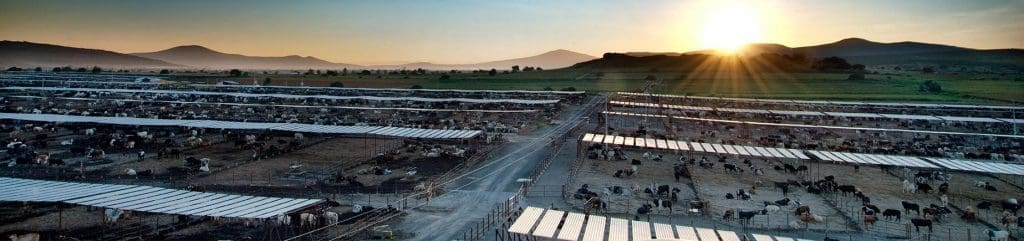
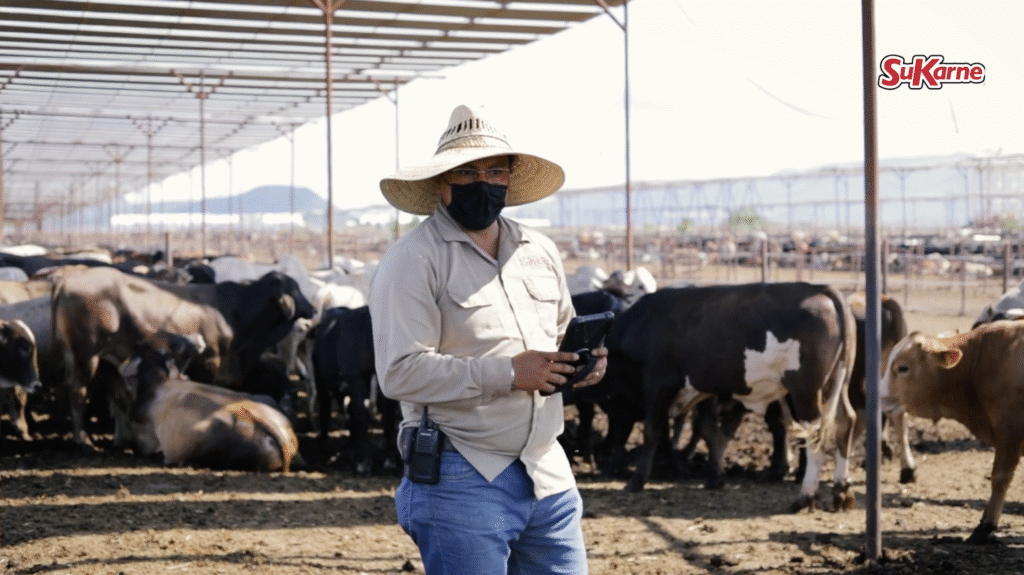
Mexico’s SuKarne supplies 70% of Mexico’s Beef Exports
Source: SuKarne
For U.S. consumers, the danger isn’t just south of the border—it’s already in the freezer.
Once cattle are tagged and slaughtered in Mexico’s federally approved TIF plants, their origin data is erased. That boxed meat becomes USDA-eligible, export-certified—and indistinguishable from legitimate supply.
This is exactly where JBS, the world’s largest meatpacker, comes in.
In 2023–2024, JBS ranked among the top U.S. importers of Mexican beef, sourcing from TIF-certified plants across states like Veracruz and Jalisco—two major endpoints in the cartel cattle laundering chain.
While JBS doesn’t run the border crossings, they benefit from what comes out the other end: beef cleansed by paperwork, not origin. Their logistics partners, feedlot buyers, and processors operate in the same zones flagged by InSight Crime and Mexican anti-smuggling task forces.
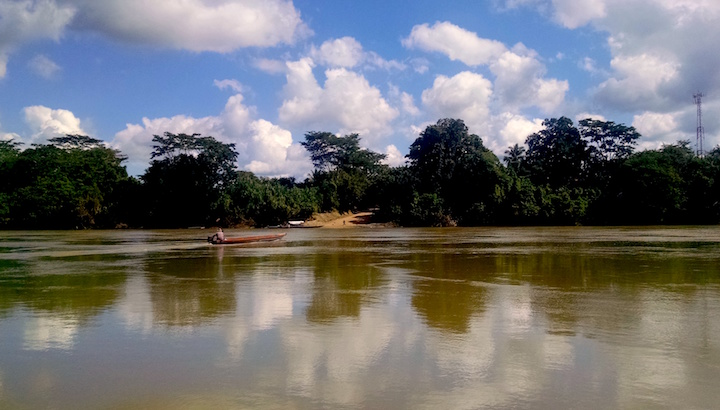
View of Guatemala from the main livestock entry point into Mexico on the banks of the Usumacinta River in the Benemérito de Las Américas municipality. Source: Monga Bay
As long as the tags check out, and the slaughterhouse is on the USDA’s approved list, the cargo clears—even if that cow floated across the Usumacinta in a canoe.
JBS has been caught before. In Brazil, they knowingly sourced deforestation-linked cattle via middlemen. In Mexico, the playbook hasn’t changed—it’s just moving north.
What Must Change
You can’t stop a cartel with a tag—especially when traceability ends at the kill floor.
SINIIGA ear tags weren’t designed for post-slaughter integrity. And federalizing them won’t solve the core failure: once the animal is boxed, its origin vanishes. Uruguay’s phantom cow scandal showed how even airtight systems break when processors profit from looking the other way.
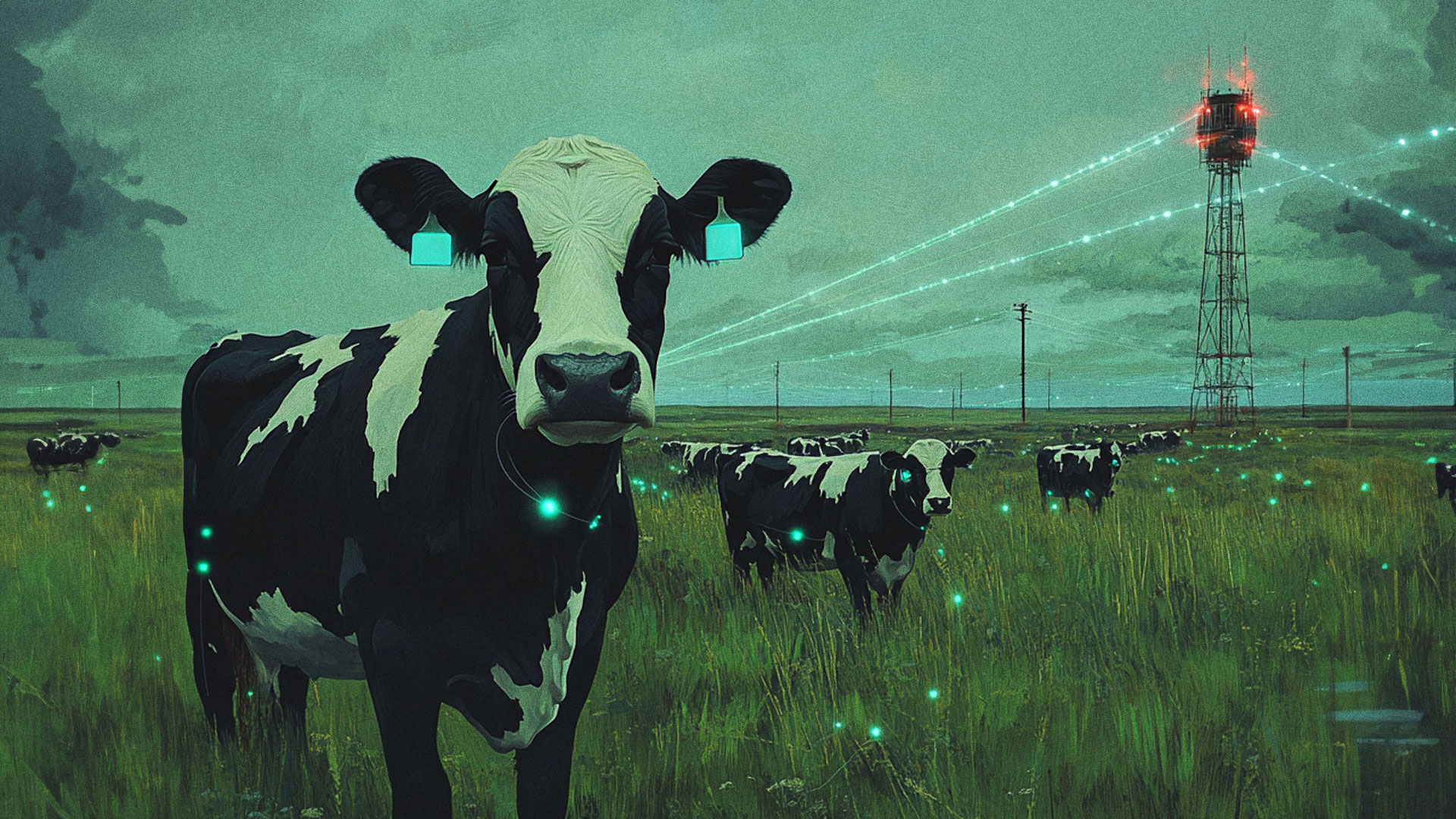
Beef News
RFID Tags in Cattle: Does Surveillance Equal Better Health? — Beef News
USDA
The path forward isn’t a bigger database. It’s batch-level, post-processing verification—led by processors, retailers, and third-party buyers who refuse to touch cartel-tied beef. If traceability doesn’t follow the meat, it doesn’t matter.
At the border, shipments from laundering zones should trigger full-spectrum inspection—not just vet checks. Enforcement teams must be trained to detect fraud, not just fever.
And on the ground, ranches acting as cartel fronts must face criminal seizure. This isn’t a paperwork violation—it’s organized crime in a cowboy hat.
But if you want the simplest way to know your meat is what it says it is?
Shake your rancher’s hand.
Because when the system breaks, trust starts at the source.
More in Beef Maps
-
 chevron_right
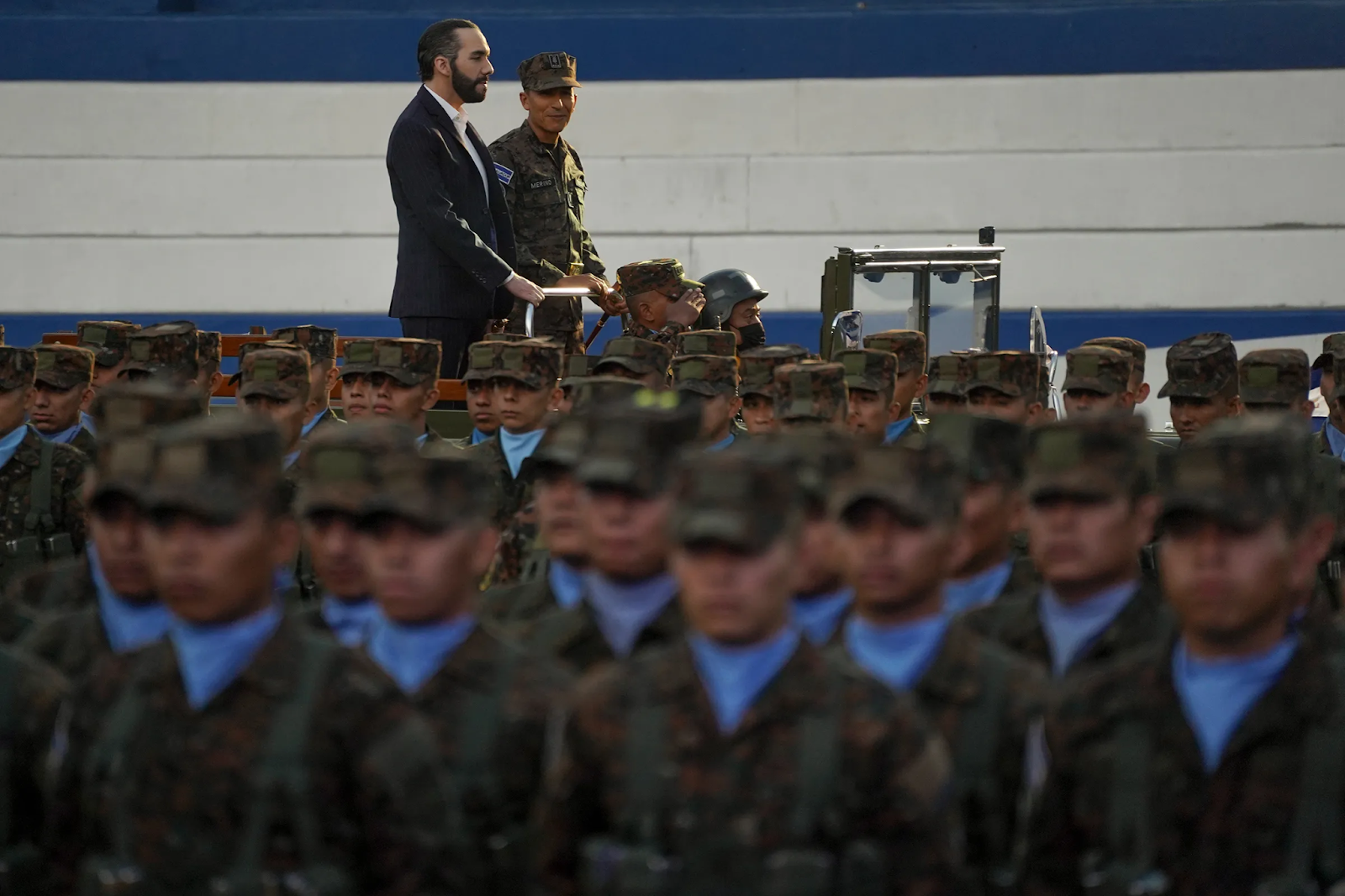
Super Selectos or Super Cartel? Bukele's Fight Over Salvadoran Beef
Aug 25, 2025 · Beef News
-
 chevron_right
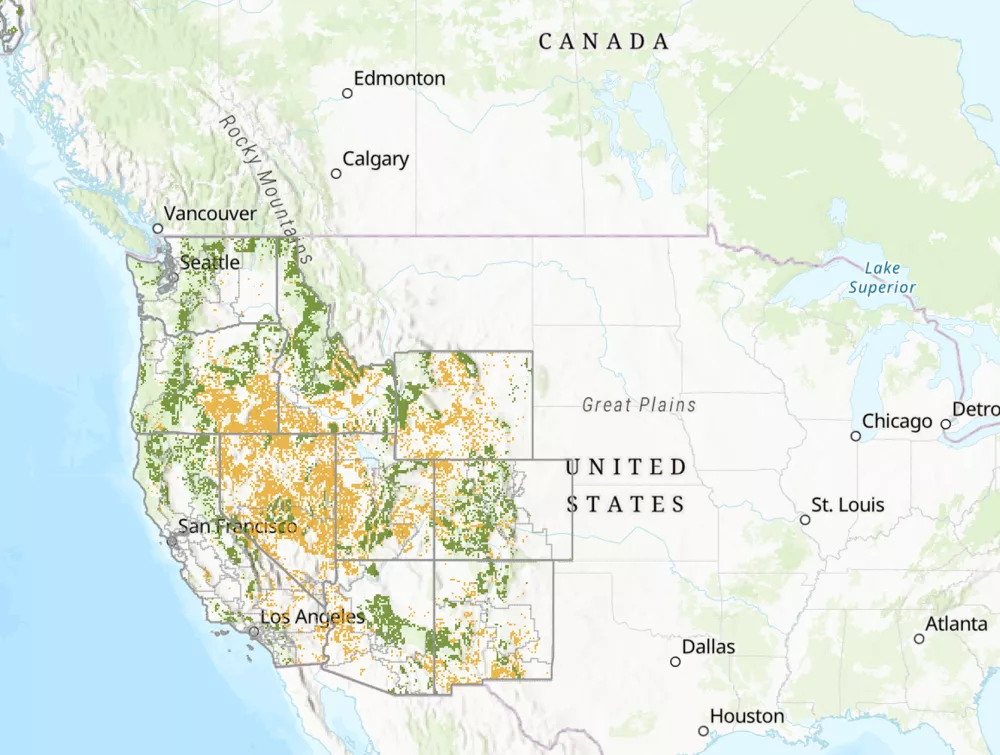
The Illusion of Surplus: What the Senate's Land Sale Bill Really Does
Jun 19, 2025 · Beef News
-
 chevron_right
Brazos Valley Beef: Better Beef. Healthier Land. Stronger Texas
Apr 19, 2025 · Lane Sangl
-
 chevron_right
Barriers to Entry: Tariffs, US Cattlemen, and Beef Maps
Apr 18, 2025 · Beef News